
What is IPTV? The Complete 2026 Guide to the Future of Television
The way we consume media has undergone a radical transformation. Gone are the days when families gathered around a bulky box to watch scheduled broadcasts via a rooftop antenna or a thick coaxial cable. Today, the digital landscape is dominated by a technology that offers flexibility, variety, and control. But what is IPTV, and why has it become the preferred choice for millions of viewers across the United States?

SUBSCRIBE NOW
In this comprehensive guide, we will dive deep into the world of Internet Protocol Television (IPTV), exploring how it works, its different forms, and why finding a reliable IPTV service is essential for a premium entertainment experience.
Understanding the Basics: Defining IPTV
At its core, IPTV stands for Internet Protocol Television. While traditional television delivery methods like satellite or cable send signals in real-time through a dedicated physical infrastructure, IPTV delivers television content over the same internet protocol suite used for your web browsing and email.
Instead of receiving content via radio waves or light pulses through fiber-optic cables dedicated solely to TV, IPTV streams video directly through your internet connection. This allows for a two-way communication channel, enabling features that traditional TV simply cannot match, such as Video on Demand (VOD) and interactive services.
How Does IPTV Work?
To understand “what is IPTV,” you must understand its delivery mechanism. When you watch a traditional broadcast, you are tuned into a constant stream of “multicast” signals. Every channel is being sent to your home at once, and your tuner simply picks which one to display.
With IPTV, the process is more efficient. Only the program you select is sent to your device. When you change the channel, a new stream is transmitted from the server to your screen. This is possible through:
-
Content Preparation: Video is encoded, compressed, and broken into small data packets.
-
IP Multicasting/Unicasting: The data is sent via the internet to your IP address.
-
Decoding: Your device (Smart TV, Firestick, or Smartphone) decodes the packets back into a high-quality video signal.
The Different Types of IPTV Services
SUBSCRIBE NOW
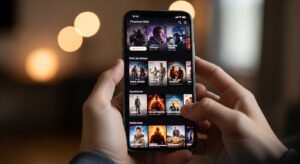
Not all IPTV is the same. When people ask “what is IPTV,” they might be referring to any of the following three main formats:
1. Video on Demand (VOD)
This is the most common form of IPTV. You choose exactly what you want to watch from a library of content. Platforms like Netflix, Disney+, and Amazon Prime Video are technically forms of VOD IPTV. You aren’t tied to a schedule; the content is there whenever you are ready.
2. Time-Shifted Media
Have you ever missed the start of a show and wanted to “start over”? Time-shifted media allows you to watch broadcasts that aired previously. This includes “catch-up TV” and “start-over” features. It differs from VOD because the content eventually expires.
3. Live IPTV
This is the closest relative to traditional television. It allows you to watch live broadcasts as they happen—ideal for sports, news, and award shows. If you are looking for the best IPTV service for sports, you are looking for a Live IPTV provider.
Why Is Everyone Switching to IPTV?
The surge in IPTV popularity in 2026 isn’t a coincidence. It offers several distinct advantages over legacy cable providers:
-
Flexibility: You can watch TV on your TV, laptop, tablet, or phone.
-
Cost-Effectiveness: IPTV is generally much cheaper than traditional cable bundles. You can often find a cheap IPTV subscription that offers more channels than a $150/month cable plan.
-
Global Content: IPTV isn’t restricted by geography. You can access international channels from the comfort of your home in California or Florida.
-
No Hardware Constraints: You don’t necessarily need a technician to drill holes in your walls. Most services work via an app on your existing hardware.
Is IPTV Legal?
This is perhaps the most frequent question after “what is IPTV.” The answer is: It depends on the service.
IPTV itself is a perfectly legal technology. However, the legality of a specific service depends on whether they have the rights to stream the content they provide. Services like Hulu or YouTube TV are 100% legal. There are also many third-party providers. If you are concerned about the regulations in your region, it is wise to consult a legal vs illegal IPTV guide to ensure you are streaming safely and ethically.
What You Need to Get Started
If you’re ready to move away from cable, getting started with IPTV is relatively simple. You will need three main components:
1. A High-Speed Internet Connection
Since the “I” in IPTV stands for Internet, your connection speed is vital. For standard definition, 5 Mbps might suffice, but for a 4K IPTV service, you should aim for at least 25-50 Mbps to avoid buffering.
2. A Compatible Device
Most modern hardware supports IPTV. Popular choices include:
-
Amazon Firestick: Highly versatile and budget-friendly. (Check out the best IPTV for Firestick 2025/2026).
-
Smart TVs: Samsung, LG, and Android-based TVs.
-
Android Boxes: Dedicated hardware for streaming.
-
Computers & Smartphones: For viewing on the go.
3. An IPTV Player (Software)
Once you have a subscription, you need an app to play the content. Apps like IPTV Smarters or TiviMate are industry leaders. For a smooth setup, many users refer to an IPTV Smarters ultimate guide to configure their playlists.
Troubleshooting Common IPTV Issues
Even with the best technology, you might encounter hiccups. The two most common complaints are buffering and the service not loading.
-
Buffering: This is usually caused by internet congestion or ISP throttling. You can often find an IPTV buffering fix by using a VPN or switching to a wired Ethernet connection.
-
Service Downtime: If your app won’t connect, you might need an IPTV not working fix which usually involves clearing cache or updating your M3U link.
Choosing the Best IPTV Service in 2026
SUBSCRIBE NOW
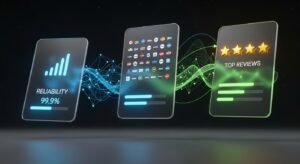
With thousands of providers available, choosing one can be overwhelming. To find the right fit, consider the following factors:
-
Channel Selection: Does it have the local US channels you need?
-
Uptime: Is the server stable?
-
Customer Support: Can you reach them if something goes wrong?
-
Trial Period: Always look for an IPTV free trial before committing to a long-term plan.
Whether you are looking for the best IPTV in Texas or a California IPTV solution, the key is to read customer reviews to see what actual users are saying about the reliability and speed.
Conclusion: The Future is IP
IPTV has moved from a niche technology to a mainstream powerhouse. It empowers the viewer, providing more content for less money and on more devices than ever before. Understanding “what is IPTV” is the first step toward taking control of your media consumption.
As we move through 2026, the integration of AI-driven recommendations and 8K streaming will only make IPTV more indispensable. If you are tired of being tied down by expensive contracts and limited channel lineups, it might be time to explore a premium IPTV subscription and see what the future of television looks like today.
IPTV Smarters Pro Guide 2026 How to Setup, Features, and Best USA