
Introduction
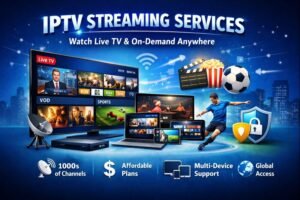
Television consumption has changed completely in recent years. Traditional cable and satellite TV are losing users due to high costs, limited flexibility, and restricted content access. As a result, IPTV streaming services have emerged as a modern, internet-based alternative that offers more content, better control, and lower prices.
SUBSCRIBE NOW
Today, IPTV streaming services are used worldwide by individuals, families, and businesses looking for a complete TV solution that works on multiple devices without long-term contracts.
What Are IPTV Streaming Services?
IPTV streaming services deliver television content using internet protocol instead of traditional broadcasting methods such as satellite or cable. Content is streamed directly to the user’s device in real time.
Most IPTV streaming services include:
-
Live TV channels
-
Video on Demand (VOD)
-
Catch-up TV
-
Pay-per-view (PPV) events
-
International and regional channels
This makes IPTV a full replacement for traditional TV services.
How IPTV Streaming Services Work
IPTV streaming services rely on advanced server infrastructure to deliver content smoothly.
The basic process:
-
TV content is sourced from broadcasters or providers
-
Content is encoded and compressed
-
Streams are delivered via IPTV servers
-
Users watch through IPTV apps or players
High-quality IPTV streaming services use adaptive bitrate streaming and multiple servers to ensure stability and reduce buffering.
SUBSCRIBE NOW
Key Benefits of IPTV Streaming Services
Wide Content Selection
IPTV streaming services provide access to thousands of channels from different countries, including sports, news, movies, kids’ content, and entertainment.
Affordable Pricing
Compared to cable TV, IPTV streaming services are significantly cheaper and usually offer flexible subscription plans.
Multi-Device Compatibility
Users can watch IPTV streaming services on:
-
Smart TVs
-
Smartphones and tablets
-
Computers and laptops
-
Android TV boxes and streaming devices
On-Demand and Catch-Up TV
Most IPTV services include VOD libraries and catch-up options, allowing users to watch content anytime.
Global Access
As long as an internet connection is available, IPTV streaming services can be accessed from anywhere in the world.
IPTV Streaming Services vs Traditional TV
SUBSCRIBE NOW
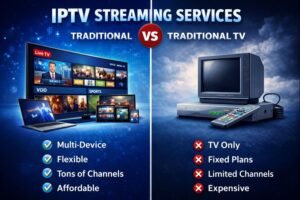
| Feature | IPTV Streaming Services | Cable / Satellite |
|---|---|---|
| Installation | Instant | Physical setup |
| Content Variety | Very high | Limited |
| Flexibility | High | Low |
| Device Support | Multiple | TV only |
| Cost | Lower | Higher |
| On-Demand | Included | Limited |
This comparison explains why IPTV adoption continues to grow globally.
Types of IPTV Streaming Services
Live TV IPTV Services
Focused on real-time channels such as sports, news, and entertainment.
VOD IPTV Services
Designed for users who mainly watch movies and TV series on demand.
Hybrid IPTV Streaming Services
The most popular type, combining live TV, VOD, catch-up TV, and PPV events.
IPTV Streaming Service Pricing Models
IPTV streaming services typically offer:
-
Monthly subscriptions
-
Quarterly or yearly plans
-
Multi-connection plans
-
Reseller or credit-based systems
Pricing depends on content quantity, server quality, and service stability.
SUBSCRIBE NOW
How to Choose the Best IPTV Streaming Services
Server Stability
Reliable IPTV streaming services should provide high uptime and minimal buffering.
Content Coverage
Check if the service includes the channels and languages you need.
Device Compatibility
A professional IPTV service supports major IPTV apps and devices.
Customer Support
Fast and responsive support indicates a trustworthy provider.
Trial Availability
Many reputable IPTV streaming services offer test access before purchase.
IPTV Streaming Services for Resellers
IPTV streaming services also offer strong business opportunities. Many providers allow resellers to sell subscriptions under their own brand.
Benefits for Resellers:
-
Low startup costs
-
Recurring monthly income
-
Easy scalability
-
White-label solutions
This makes IPTV reselling an attractive online business model.
Legal Considerations
IPTV technology itself is legal, but content licensing depends on the provider and region. Users should always choose IPTV streaming services that operate transparently and provide clear terms of service.
Working with reliable providers reduces risks such as service interruptions or shutdowns.
The Future of IPTV Streaming Services
SUBSCRIBE NOW
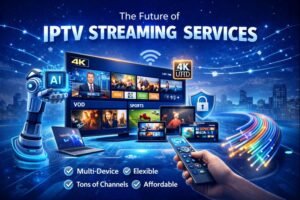
The future of IPTV streaming services looks strong due to:
-
Faster internet speeds
-
Growing demand for flexible TV solutions
-
Improved streaming technology
-
Expansion of 4K and advanced streaming formats
IPTV is expected to become the dominant way people watch television worldwide.
Conclusion
IPTV streaming services offer a modern, flexible, and affordable alternative to traditional television. With thousands of channels, multi-device access, and on-demand content, IPTV meets the needs of today’s users and businesses.
By choosing the right IPTV streaming services, users can enjoy a high-quality TV experience while reducing costs and increasing flexibility.