
Legal vs Illegal IPTV: Key Differences & How to Stay Safe
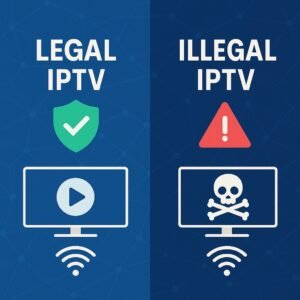
Legal vs Illegal IPTV
The IPTV industry has completely reshaped how people watch TV — replacing traditional cable and satellite connections with convenient, internet-based streaming. Millions of viewers now enjoy Internet Protocol Television (IPTV) for its flexibility, affordability, and global access to live channels and on-demand content.
But with this convenience comes confusion. Not all IPTV services are equal, and not all of them are legal. The growing number of unlicensed IPTV providers has blurred the line between legitimate platforms and illegal streaming operations.
In this guide, you’ll learn how to distinguish legal vs illegal IPTV, understand the technology behind both, and discover how to stream safely without risking your privacy, devices, or wallet.
Whether you’re a casual viewer or an IPTV enthusiast, knowing the difference between licensed and pirated services will help you avoid scams and stay on the right side of the law.
Defining Legal IPTV
To understand the difference, it’s important to know what makes an IPTV service legitimate. Legal IPTV platforms operate with official permissions and licenses that allow them to distribute television content over the internet.
1. What Legal IPTV Means
A legal IPTV service is one that acquires broadcasting rights from content owners — movie studios, TV networks, sports leagues, or production companies. These services operate within copyright and distribution laws. They pay royalties to content creators and follow regional licensing rules.
Legal IPTV isn’t about the technology used (because IPTV itself is perfectly legal); it’s about whether the content is authorized for online distribution.
2. How Licensing Works
When a provider wants to offer specific TV channels or movies, it must negotiate agreements with the content owner or distributor.
Each agreement outlines:
-
Territory: where the content can be streamed (e.g., Europe, North America, worldwide).
-
Duration: how long the license remains valid.
-
Delivery method: which platforms or devices are allowed (smart TVs, web browsers, mobile apps).
By following these rules, legitimate IPTV platforms ensure they deliver legal content without violating copyright law.
3. Common Traits of Legitimate IPTV Services
You can usually spot licensed IPTV platforms through these indicators:
-
Transparent business information: The company lists its address, contact info, and terms of service publicly.
-
Recognized partnerships: They work with major networks or use official distribution channels.
-
Secure payment options: They support traceable transactions such as credit cards or PayPal.
-
Professional apps: Their applications are available on Google Play, Apple App Store, or Amazon Fire TV.
-
Reasonable pricing: Subscription models match industry standards — usually monthly or yearly.
These signs show a commitment to legality, security, and user trust — qualities you’ll never find with pirate IPTV services.
4. Examples of Legal IPTV Providers
Without mentioning specific brand names, you can think of:
-
Network-owned streaming platforms (official channels or OTT apps).
-
Authorized IPTV resellers with verified distribution rights.
-
Broadcasters’ online TV portals that provide live or catch-up content.
The rule of thumb: if a service has clear licensing and operates transparently, it’s likely legitimate.
What Makes IPTV Illegal
While IPTV as a technology is lawful, its misuse for unlicensed broadcasting makes it illegal. The difference lies entirely in the source of the content.
1. Unauthorized or Pirated Content
Illegal IPTV services stream content — live sports, premium channels, movies, or pay-per-view events — without permission from rights holders.
They typically obtain content from stolen satellite feeds, hacked apps, or restreamed sources and redistribute it at a fraction of the legal price.
Such platforms don’t have contracts with broadcasters or studios and often disguise their operations behind anonymous websites or reseller networks.
2. How Illegal IPTV Services Operate
Illegal IPTV providers often advertise “all channels worldwide” for absurdly cheap prices. They attract users with lifetime deals or unlimited subscriptions costing only a few dollars.
Common traits include:
-
Payments accepted only in cryptocurrency, gift cards, or untraceable wallets.
-
Sales handled through Telegram groups, Discord servers, or private reseller sites.
-
No company name, refund policy, or contact information.
-
Apps that must be downloaded from suspicious URLs instead of official app stores.
They may seem convenient at first, but these services operate in a legally gray or black zone — and disappear as quickly as they appear.
3. Risks of Using Illegal IPTV
Using illegal IPTV apps exposes you to multiple dangers:
-
Legal Consequences:
Many countries have copyright laws that penalize both distributors and users of pirated streams.
In some regions (e.g., EU, UK, US), watching unlicensed IPTV can result in fines or warnings. -
Security Threats:
Pirate IPTV apps often contain malware, spyware, or trojans that steal data, log keystrokes, or infect your device.
Since these apps come from unverified sources, there’s no guarantee of safety. -
Financial Scams:
Users frequently pay for “lifetime access” and lose money when the website vanishes or their accounts stop working. -
Unstable Service:
Illegal IPTV servers are regularly shut down, leading to missing channels, buffering, or sudden blackouts.SUBSCRIBE NOW
4. Enforcement and Global Action
Governments and organizations like Europol and ACE (Alliance for Creativity and Entertainment) actively monitor illegal IPTV operations.
Large-scale raids and domain seizures happen frequently — not just targeting providers, but also resellers and advertisers.
While most prosecutions focus on sellers, end-users in some countries have received cease-and-desist letters or fines. The safest solution is simple: stick with licensed, verifiable IPTV providers.
How to Identify Legitimate Providers
Here’s how you can quickly tell whether an IPTV provider is legal or suspicious before subscribing.
1. Check for Licensing or Partnerships
A legitimate IPTV provider will clearly display partnerships, broadcasting rights, or official network affiliations. If a service refuses to name its content sources, that’s a red flag. Transparency equals legitimacy.
2. Review the Website and Payment Options
-
Legal IPTV sites use HTTPS encryption and publish contact details, terms, and policies.
-
They accept standard payment methods (cards, PayPal) and offer invoices or receipts.
-
If the provider insists on crypto-only payments or redirects you through shady links — walk away.
3. Verify App Availability
Official IPTV apps are listed on verified platforms such as:
-
Google Play Store
-
Apple App Store
-
Amazon Fire TV
Illegal IPTV apps usually require sideloading (manual APK installation) from random websites, increasing your exposure to malware.
4. Compare Prices and Features
If a provider offers “1000+ premium channels for $5 per month,” it’s not sustainable or legal. Licensed IPTV services charge realistic rates because they pay for streaming rights, bandwidth, and maintenance.
5. Check Online Reputation
Search for reviews on Trustpilot, Reddit, or IPTV community forums.
Users quickly expose fraudulent IPTV providers. Look for consistent positive feedback, not fake or repetitive reviews.
6. Refunds and Free Trials
A legitimate IPTV company provides a trial period, refund policy, or clear terms of service.
Illegal operators avoid this — they don’t want to be traceable or accountable once you’ve paid.
Safe Viewing Practices
Even when using legitimate IPTV services, it’s important to maintain safe streaming habits. Here’s how to protect your privacy and devices:
1. Use Only Official Sources
Download IPTV apps from verified app stores or directly from the provider’s secure website.
Avoid downloading “modded” or “cracked” APKs that promise free access to premium content.
2. Protect Your Connection
A VPN (Virtual Private Network) encrypts your internet traffic, shielding you from hackers and keeping your browsing private. It’s especially useful if you stream on public Wi-Fi or through shared networks.
3. Keep Your Devices Updated
Always use the latest version of your IPTV app and operating system.
Updates patch vulnerabilities and enhance security against malware or unauthorized access.
4. Stay Informed
Laws surrounding IPTV vary by country. Research your region’s stance on IPTV legality and avoid providers that operate in the shadows. Following tech news and official announcements can help you avoid new scams.
5. Support Legal Streaming
Subscribing to legitimate IPTV services ensures fair compensation for content creators, stable service for viewers, and full protection under consumer rights. It’s the most responsible — and safest — choice.
Conclusion
The line between legal and illegal IPTV can seem blurry, but the key difference lies in licensing. Legal IPTV platforms pay for broadcasting rights, operate transparently, and offer high-quality, secure viewing experiences. Illegal IPTV, on the other hand, profits from piracy, exposes users to malware, and risks severe penalties.
By learning how to spot legitimate IPTV services, you not only protect your devices and finances but also contribute to a fair and sustainable digital entertainment ecosystem.
In short:
✅ Legal IPTV = Licensed, Transparent, Safe.
❌ Illegal IPTV = Unlicensed, Risky, Unreliable.
Make smart choices, stream safely, and enjoy your favorite content the right way.