
IPTV Technology: How Internet Protocol TV Works
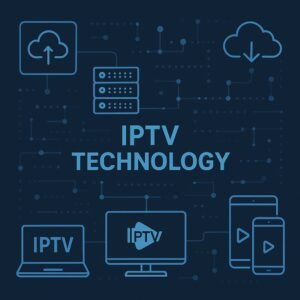
IPTV Technology Overview
Television has transformed from traditional cables and satellites into smart, internet-driven experiences — and at the center of that shift is IPTV technology. IPTV stands for Internet Protocol Television, a system that delivers live channels and on-demand content through your internet connection instead of broadcast antennas.
Unlike cable or satellite TV, which sends all channels to every household simultaneously, IPTV systems stream only the content you choose, directly to your device, using the same protocols that power the web. This approach makes streaming more flexible, scalable, and personalized.
An IPTV platform architecture is built on four main pillars: content encoding, servers and CDNs, middleware management, and client apps. These layers work together to send live video, movies, and shows securely and efficiently from the source to your screen.
Understanding how Internet Protocol TV operates helps users choose reliable services and gives providers insight into what drives seamless streaming. Let’s dive deeper into the invisible network that makes your favorite IPTV channels play instantly.
How IPTV Delivers Content
Delivering live and on-demand TV through the internet involves several technological steps. Each plays a vital role in ensuring smooth playback, minimal buffering, and clear picture quality.
1. Content Acquisition and Encoding
The journey begins when an IPTV provider acquires content from broadcasters, sports networks, or licensed video sources. These feeds are often captured in raw, uncompressed formats. Before they can be streamed, the video must be encoded into digital formats such as H.264 (AVC) or H.265 (HEVC) to reduce file size without sacrificing quality.
Advanced IPTV systems also perform transcoding — converting one video format into another, or adjusting the bitrate and resolution to suit multiple devices. For example, the same live channel might be transcoded into 720p for smartphones and 4K UHD for smart TVs.
2. Storage and Server Distribution
Once encoded, the files are stored on IPTV servers or distributed across CDNs (Content Delivery Networks). CDNs replicate content across multiple data centers around the world so users automatically connect to the nearest node. This reduces latency, improves reliability, and prevents congestion during peak hours.
High-performance IPTV providers use load balancing — automatically routing users to the least busy server — to maintain stability even when thousands of viewers tune in simultaneously.
3. Transmission via Internet Protocols
The heart of IPTV lies in how data travels. Video is broken into small packets and transmitted over IP networks using protocols like TCP (Transmission Control Protocol) or UDP (User Datagram Protocol).
There are two main delivery models:
-
Unicast (one-to-one): Each viewer receives an individual stream; common for Video on Demand.
-
Multicast (one-to-many): A single stream serves multiple users simultaneously; ideal for live channels.
When you select a channel, your IPTV player sends a request to the provider’s server, which instantly begins delivering those data packets. Your device then reassembles them into continuous video.
4. Playback on User Devices
Finally, the IPTV app or set-top box decodes the incoming packets and renders them on-screen. Most platforms now use adaptive bitrate streaming (ABR), which automatically adjusts resolution and bitrate according to your internet speed.
If your bandwidth drops, the stream switches smoothly to a lower quality without stopping — one of the most important aspects of stable IPTV delivery.
Streaming Protocols (HLS, RTMP, and More)
Behind every IPTV stream are communication rules called streaming protocols — they dictate how video data travels from server to viewer. Each has unique strengths depending on latency, compatibility, and reliability.
1. HLS (HTTP Live Streaming)
Originally developed by Apple, HLS has become the global standard for Internet Protocol TV. It breaks video into small chunks, usually 2 to 10 seconds long, and serves them over regular HTTP.
Because HLS works with standard web servers and supports adaptive bitrate streaming, it guarantees smooth playback across varying internet conditions. It’s compatible with nearly all devices — iPhones, browsers, smart TVs, and Android boxes alike.
2. RTMP (Real-Time Messaging Protocol)
Once the backbone of Flash Player streaming, RTMP still plays a crucial role in IPTV ingestion (from broadcaster to server). It offers low latency and steady transmission for live content.
Many providers use RTMP to deliver live video into their systems, then convert it to HLS for viewer playback — combining speed and compatibility.
3. MPEG-DASH (Dynamic Adaptive Streaming over HTTP)
An open-standard alternative to HLS, MPEG-DASH operates similarly but supports a wider range of codecs. It’s particularly favored in browser-based IPTV platforms because of its vendor-neutral design.
By splitting content into segments and adjusting quality dynamically, DASH ensures continuous playback even when network conditions change.
4. RTP and RTSP Protocols
RTP (Real-Time Protocol) and RTSP (Real-Time Streaming Protocol) are widely used in professional and surveillance streams. They enable two-way control commands — play, pause, stop — making them ideal for interactive IPTV applications or corporate video networks.
5. Why Protocols Matter
Efficient streaming protocols are the backbone of iptv technology. They balance speed, stability, and security. Many modern IPTV systems mix multiple protocols to achieve redundancy — for instance, HLS for standard playback and RTMP for live event ingestion.
This hybrid approach minimizes buffering, ensures synchronization, and keeps the stream stable even under network stress.
IPTV Middleware and Apps
While servers handle content delivery, middleware and apps handle everything users see and control. Together, they form the intelligent layer of an IPTV system.
1. What is IPTV Middleware?
Middleware is the central control panel of any IPTV platform architecture. It manages:
-
User authentication and account management.
-
Channel and VOD organization.
-
Billing and subscriptions.
-
Content rights and access control.
-
Analytics such as viewership trends and bandwidth use.
Every time you log in, select a plan, or view your watch history, middleware processes those interactions behind the scenes.
2. The Role of IPTV Apps and Players
IPTV apps are the user-facing interface that communicates with middleware and displays content. Popular examples include IPTV Smarters, TiviMate, and Smart IPTV, though providers often develop their own branded apps.
A good IPTV player supports multiple stream formats (M3U links, Xtream Codes API, MAG portal URLs) and offers customizable features such as favorites, parental controls, and integrated EPG (Electronic Program Guide).
Apps translate technical complexity into simple navigation — turning hundreds of channels and movies into an intuitive grid or menu.
3. Security and DRM
Modern IPTV technology incorporates DRM (Digital Rights Management) and encryption standards like AES-128 to secure premium content. DRM ensures only verified users can decrypt the stream, protecting copyright and reducing piracy.
Some providers also use token-based authentication or watermarking to trace unauthorized restreams. This layer of security is essential for professional, legitimate IPTV operations.
Future Innovations in IPTV
As broadband speeds and consumer demands evolve, IPTV technology continues to advance rapidly. The next generation of streaming will be smarter, faster, and more interactive.
1. AI and Machine Learning
Artificial Intelligence is revolutionizing how IPTV platforms manage content and users. AI analyzes viewing habits to suggest personalized recommendations and automatically adjust server bandwidth to prevent overloads.
It also helps detect illegal restreaming or account sharing, improving both security and efficiency.
2. 5G Networks and Ultra-Low Latency
The global rollout of 5G technology will transform IPTV streaming. With speeds up to 10 Gbps and latency below 10 milliseconds, 5G enables smooth 4K and 8K video without buffering — even on mobile devices.
This leap will make mobile IPTV experiences as reliable as watching cable TV at home.
3. Edge and Cloud Computing
Future IPTV systems will rely on edge computing — processing data closer to users to reduce delays — combined with cloud infrastructure that scales instantly during demand spikes.
This hybrid setup ensures near-instant channel changes, faster loading, and seamless updates across millions of devices.
4. Interactive and Immersive TV
Tomorrow’s IPTV won’t just stream content — it will engage audiences. Expect features like live polls, real-time chats during sports, multi-angle camera choices, and even augmented-reality overlays.
The line between watching and participating will blur as IPTV platforms integrate social and gaming elements into traditional viewing.
Conclusion
The world of IPTV technology is far more than simple streaming — it’s a sophisticated ecosystem of servers, protocols, middleware, and intelligent apps working together. From encoding and delivery to playback and personalization, every stage contributes to the reliability and quality we enjoy on screen.
As internet protocol tv evolves with AI, 5G, and cloud computing, viewers can expect richer, faster, and smarter entertainment experiences. Understanding how this technology works empowers users to choose better services — and appreciate the engineering behind every flawless stream.